

Smart Robotic Welding
Smartness, precision and consistency in every joint.
Developed by CADE
The Smart Robotic Welding technology developed by CADE represents an evolution in the automation of industrial welding processes, integrating advanced robotics, artificial vision and smart control of the welding process. This technological combination enables welding operations to be performed with a high level of precision, stability and repeatability.
Designed for demanding industrial environments, this technology facilitates the manufacturing of large and complex metal components, where weld bead quality and process control are critical factors. Its ability to adapt during operation makes it possible to maintain consistent results, even when geometric variations occur in the parts.
In addition, it helps improve production efficiency, optimise manufacturing times and strengthen quality control throughout the welding process, all of which are key aspects in industrial projects where structural reliability and compliance with technical standards are priorities.
Six capabilities
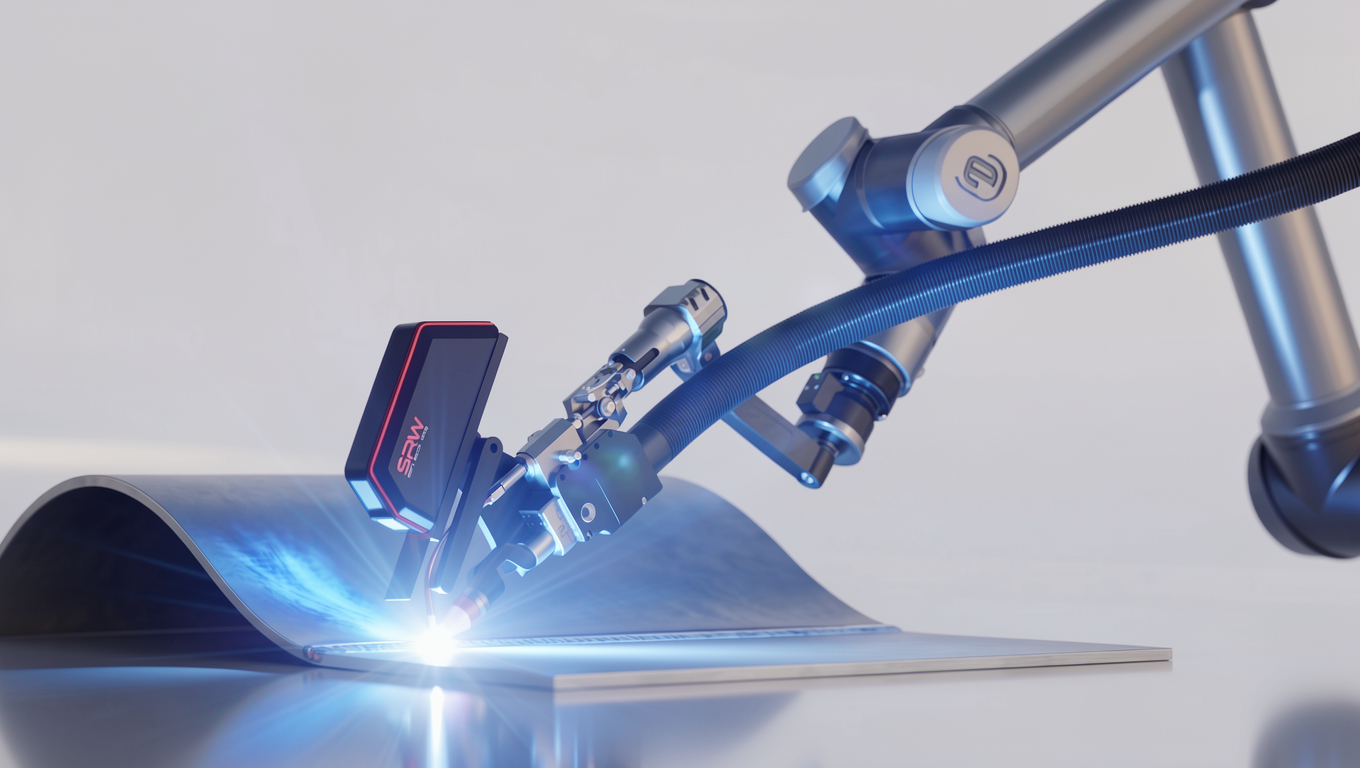
The capabilities of SRW enable robotic welding to become a smarter, more flexible and more controlled operation. Through joint reading, 3D tracking and dynamic process adjustment, the system responds to real manufacturing variations and maintains weld bead quality throughout the entire operation.
The result is a solution designed to automate complex tasks, improve repeatability, optimise production times and reduce operator exposure in hard-to-access environments.
SRW monitors the actual position of the joint throughout the entire welding process using high-precision 3D vision. The system detects deviations, manufacturing tolerances and geometric variations in real time, correcting the path to keep the torch aligned with the weld bead even under changing conditions.
Based on the detected geometry of the part, SRW automatically calculates the optimal welding trajectory without relying on rigid programming. The system dynamically defines paths, orientations and waypoints, reducing adjustment times and making it easier to automate variable or complex parts.
The system allows different welding modes to be applied depending on the material or thickness: MIG/MAG, TIG or laser, among others. Process control is managed from a single interface, with preconfigured parameters for each application.
SRW is designed to adapt to different formats, from 6” pipes to large-diameter shells. The 3D guidance system automatically adjusts the circular or longitudinal trajectory without the need for reprogramming.
Unlike traditional systems based exclusively on laser scanning, SRW uses a flexible architecture that combines a laser profilometer and an optical camera, depending on the application. This makes it possible to measure, recognise and correct the weld bead position regardless of brightness, reflection or material type.
All process data, position, current, speed, temperature and trajectory, is recorded in real time. This information can be integrated into the MES or SCADA system for analysis, predictive maintenance or quality audits.
Step by step
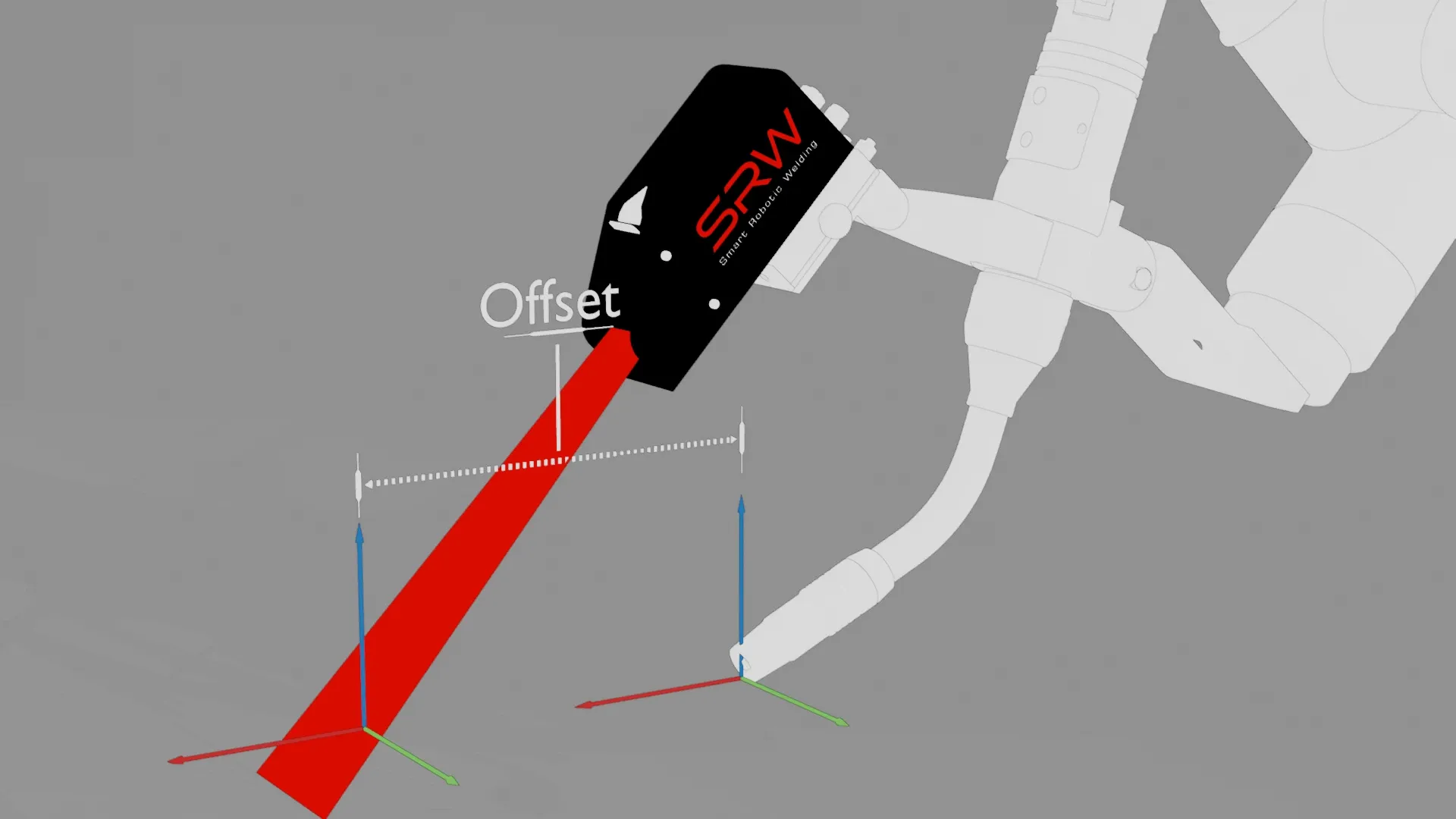
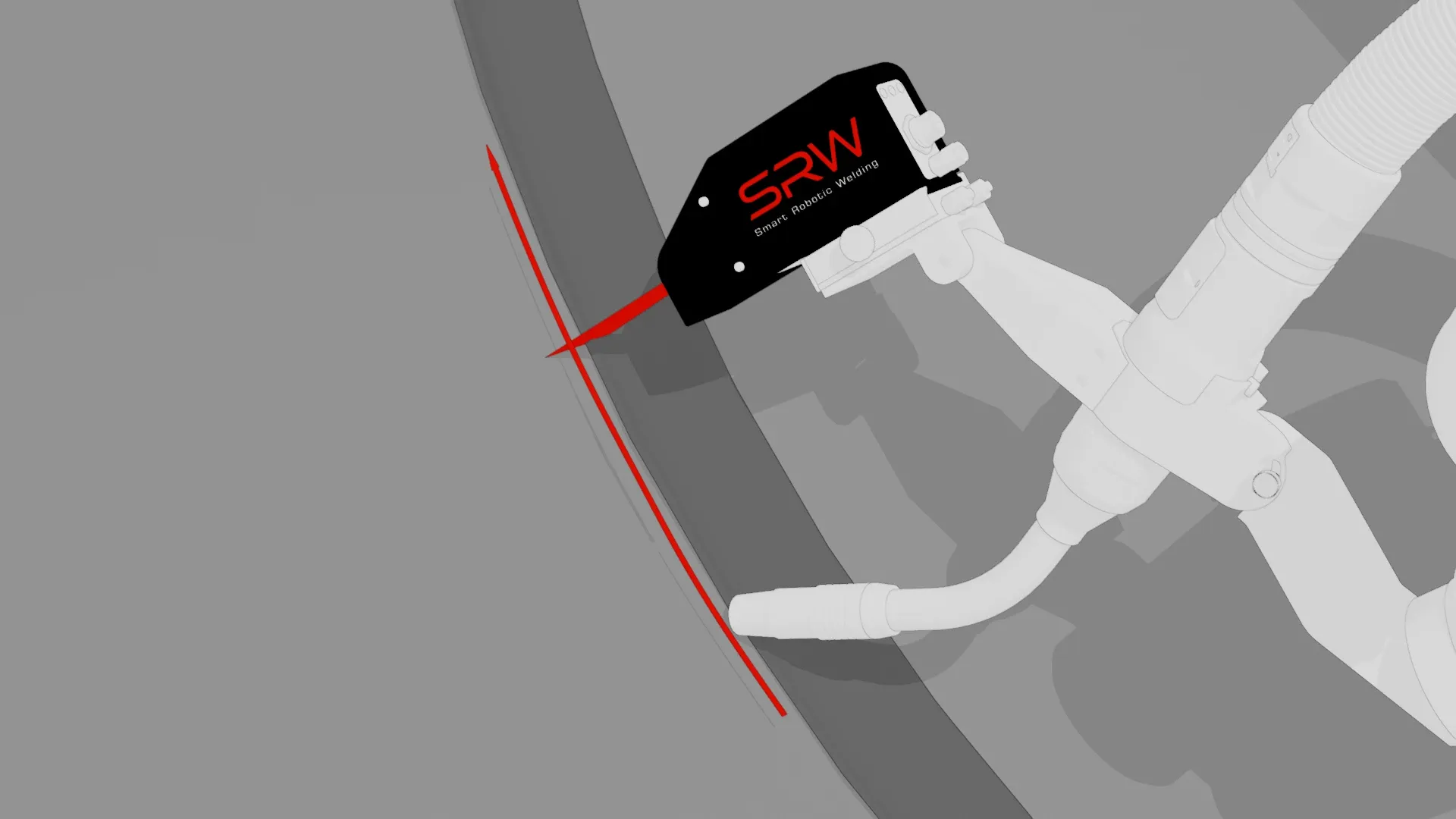
Smart Robotic Welding technology starts with calibration and defines the reference between the sensor and the welding torch. From that moment on, the system automatically identifies and tracks the joint, always maintaining the correct distance and orientation without the need for further adjustments.
 01
01
Calibration to determine the relative position between the sensor and the welding torch.
 02
02
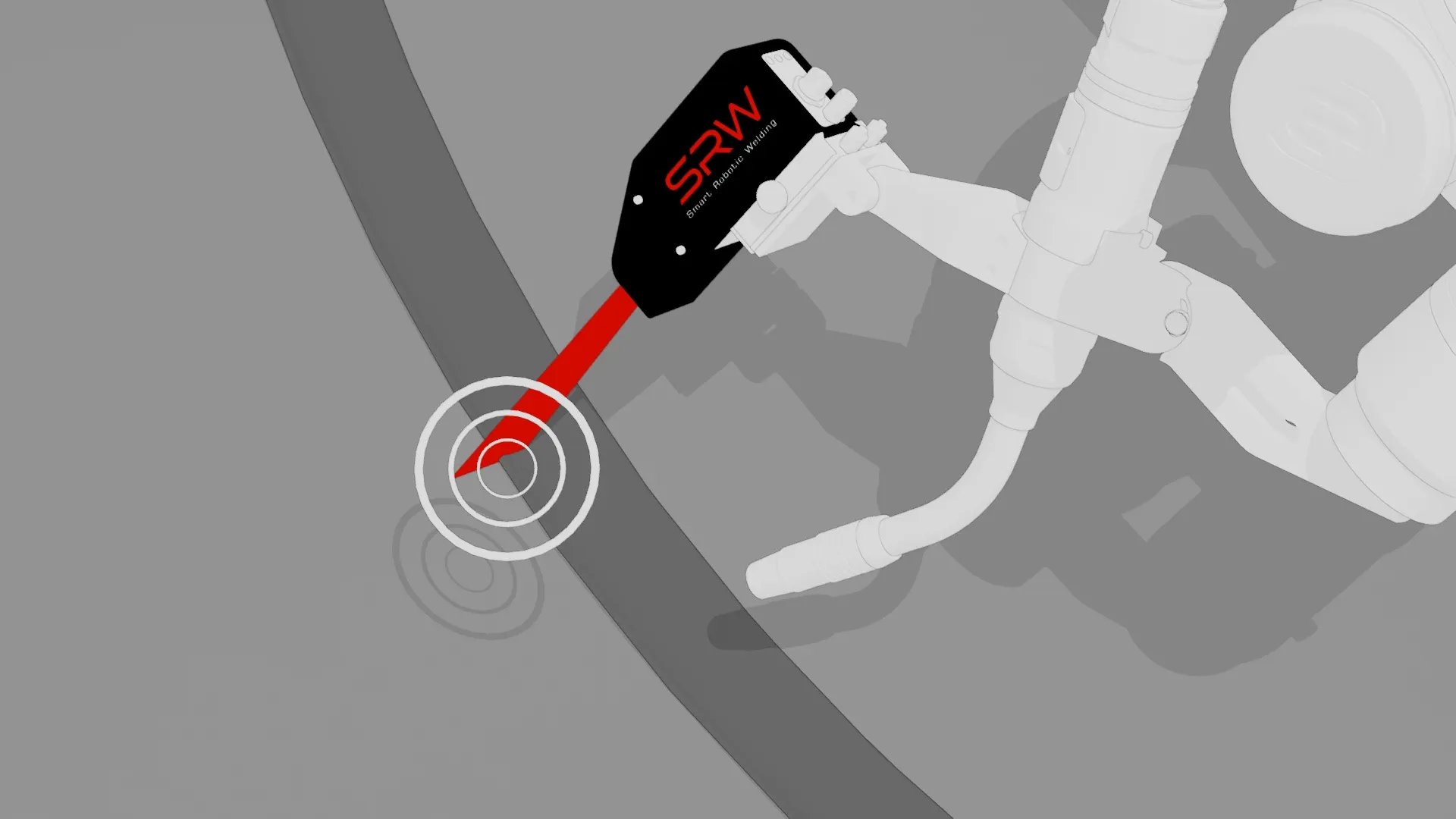
Joint search and detection.
 03
03
Three-dimensional joint tracking, maintaining the correct distance to the joint and orientation in relation to it in space. The system is able to correct any disturbances that may appear along its path.
Process control
For any thickness or geometry
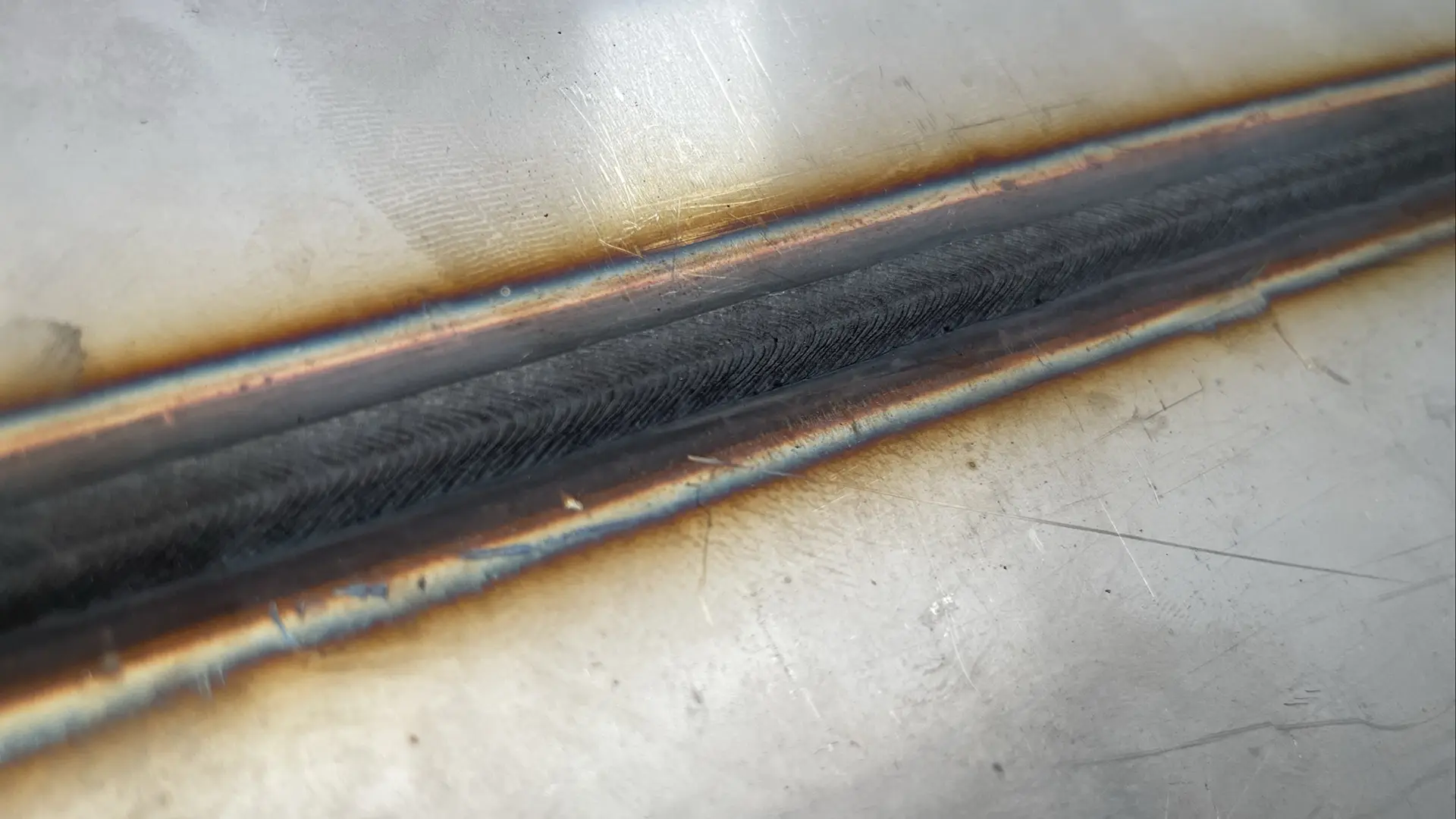
The SRW system is designed to automatically adapt arc power, speed and oscillation to ensure uniform penetration and consistent weld bead appearance.
Thanks to three-dimensional joint tracking, the torch maintains the optimal attack angle at all times, even on curves, conical joints or transitions between thicknesses. This smart control makes it possible to achieve a repeatable finish without manual adjustments, reducing calibration times and execution errors.
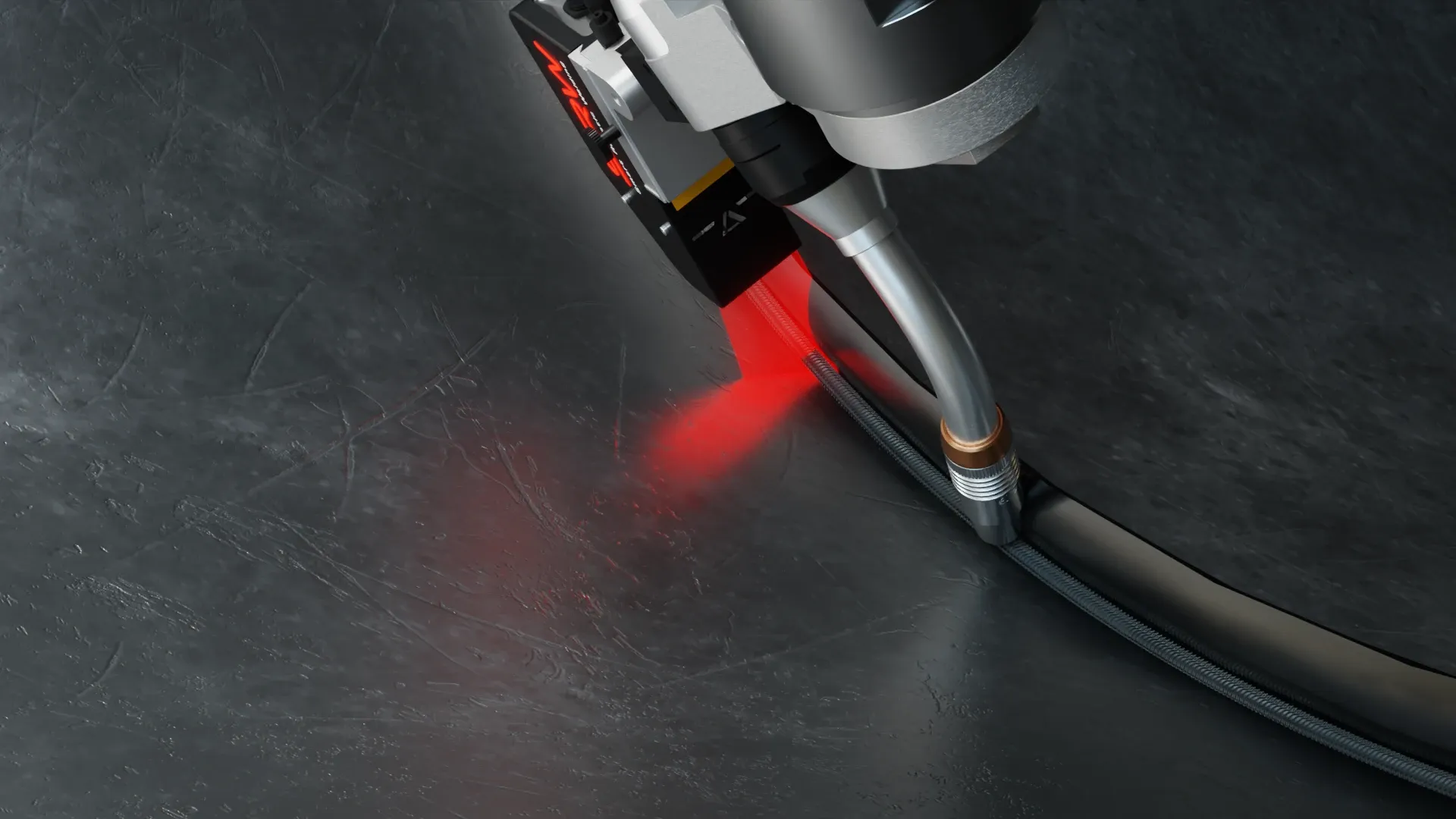
Real-time Smart Welding for industrial processes
To see Smart Robotic Welding in action, request a demo and discover how real-time smart welding can optimise your industrial processes.
Request a DEMO